If you’ve ever wondered whether your overgrown trees or bushes need trimming or pruning, you’re not alone. These two terms are often used interchangeably, but they refer to very different practices in tree care. Understanding the difference can save you time, money, and the health of your landscape.
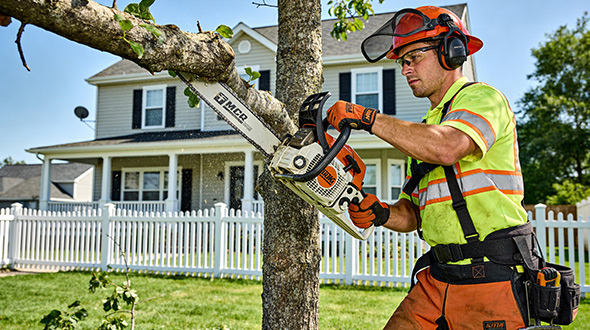
Here’s the quick version: trimming focuses on a tree’s appearance and size control, while pruning focuses on plant health, structural integrity, and safety. Trimming = looks. Pruning = health and safety. Both trimming and pruning are essential parts of modern tree and shrub maintenance for residential and commercial properties. Mixing them up can lead to over-cutting for cosmetic reasons or, worse, ignoring serious problems like diseased limbs that could fail during a storm.
In the sections below, you’ll learn the best timing by season for each method, examples of when to use trimming vs pruning, and when it makes sense to hire professionals instead of grabbing the hedge trimmers yourself.
What Is Tree and Shrub Trimming?
Trimming is the practice of cutting back outer growth to keep trees, shrubs, and hedges neat, even, and within a desired size or shape. Think of it like a haircut for your plants—you’re tidying up the edges to maintain a clean, well-maintained look rather than addressing anything happening deeper inside the plant.
Trimming trees usually targets leafy tips, small twigs, and overgrown branches rather than major structural limbs. The goal is purely cosmetic: controlling size, maintaining a uniform outline, and keeping your landscape looking sharp.
Because new growth appears throughout the growing season, trimming is often done more frequently than pruning—typically one to three times per year for most trees and shrubs. This is especially common for:
- Privacy hedges along property lines
- Foundation shrubs around homes and commercial buildings
- Street trees that need clearance over sidewalks
- Ornamental trees and shaped topiaries like boxwood spheres or privet hedges
Good trimming preserves the plant’s natural form rather than creating harsh, flat shapes—unless that formal look is intentional in your landscape design. Typical tools for trimming include hedge trimmers (manual or powered), a good pair of hand pruners for light touch-ups, and, sometimes, pole trimmers for taller shrubs and small ornamental trees.
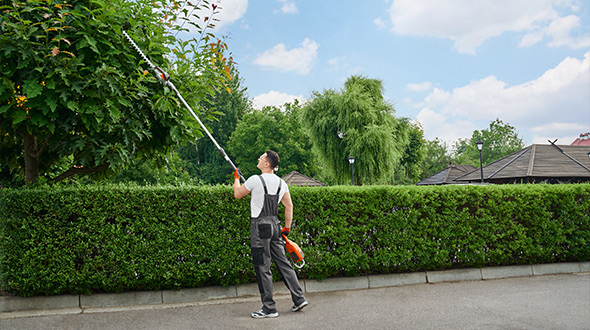
Top Reasons to Trim Trees and Shrubs
Homeowners, HOAs, and businesses schedule regular trimming for a variety of practical reasons. Here are the most common:
- Improving curb appeal: Tidy plants around entries, driveways, and sidewalks enhance your home’s curb appeal and property value.
- Maintaining visibility: Trimming keeps branches from blocking windows, house numbers, security cameras, or storefront signage.
- Uniform hedge lines: Consistent hedge shapes along property boundaries, pool screens, and parking lots create a polished, professional look.
- Access and safety: Preventing shrubs from encroaching on walkways and driveways improves access and visibility for drivers and pedestrians.
- Promoting dense growth: Regular trimming helps young shrubs and small ornamental trees develop a dense, attractive canopy instead of long, bare branches with foliage only at the tips.
- Less stress for plants: Light, frequent trimming is less stressful for most trees than infrequent, drastic cutbacks that shock the plant.
What Is Tree and Shrub Pruning?
Pruning is the selective removal of dead, diseased, damaged, crossing, or poorly attached branches to protect a plant’s health and structure. Unlike trimming, which shapes the outer surface, pruning focuses on the interior framework of the tree or shrub and involves more careful, targeted cuts.
Tree pruning is usually done less often than trimming—often annually or every few years, depending on tree species and site conditions. The payoff is significant: proper pruning improves air circulation and sunlight penetration into the canopy, reducing fungal problems and promoting healthy growth from the inside out.
When done correctly, pruning cuts are made just outside the branch collar (the slightly swollen area where a branch meets the trunk or parent limb). This allows the tree to naturally compartmentalize the wound and seal it without the need for wound-sealing products. Making improper cuts—like flush cuts against the trunk—removes the tree’s natural defense zone and invites decay and disease.
Typical pruning tools include:
| Tool | Best For |
|---|---|
| Pruning shears | Small branches under ½ inch |
| Loppers | Branches ½ inch to 2 inches |
| Pruning saws | Branches 2 inches and larger |
| Pole pruners | High branches you can’t reach from the ground |
| Professional chainsaws | Large limbs on mature trees (pros only) |
Core Benefits of Pruning for Tree Health and Safety
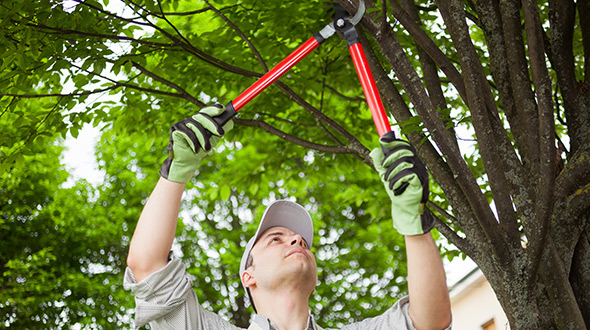
Arborists consider pruning a health and safety treatment, not just a cosmetic step. Here’s why pruning helps keep your trees and shrubs in top condition:
- Stopping disease spread: Removing dead and diseased branches prevents decay from spreading through the tree or shrub. Diseased limbs left in place can infect healthy tree parts.
- Eliminating hazards: Weak, cracked, or crossing branches can fail during storms, especially over roofs, driveways, play areas, and public pathways. Pruning removes problematic branches before they cause damage.
- Reducing pest problems: Pruning removes infested wood and improves airflow, helping foliage dry faster after rain and discouraging pests and fungal growth.
- Building strong structure: Strategic pruning can reshape young trees for better structure, helping them develop a strong central leader and well-spaced scaffold branches that resist wind and ice loads.
- Boosting production: For fruit trees and many flowering trees, proper pruning increases bloom and fruit production by directing the plant’s energy to the right branches. Studies suggest that properly pruned fruit trees can yield 20–30% more and larger fruit.
Trimming vs Pruning: Key Differences at a Glance
This section is your quick, practical comparison for deciding which service or task you actually need. While the terms sound similar, their purposes and approaches are quite different.
| Aspect | Trimming | Pruning |
|---|---|---|
| Primary Goal | Managing size, shape, and neatness | Improving health, structure, and safety |
| What Gets Cut | Many small pieces from the outer canopy | Fewer but more important interior branches |
| Frequency | 1–3 times per year during growing season | Annually or as needed, often in dormancy |
| Timing | Throughout growing season | Late winter to early spring for most trees |
| Risk of Mistakes | Over-trimming thins foliage and affects looks | Improper pruning can weaken or kill the plant |
Here are two real-life examples to illustrate the key differences:
- Trimming scenario: A row of boxwood shrubs along your front walk is getting bushy and losing its defined shape. You grab hedge trimmers and give them a light shaping cut—this is trimming.
- Pruning scenario: A mature oak over your driveway has several dead branches and one large limb with a visible crack. You call a tree service to remove the damaged or diseased branches before they fall on a car—this is pruning.
When You Should Trim vs When You Should Prune
Here’s a decision guide based on visible signs in your landscape:
Signs you need trimming:
- Hedges have lost their defined outline and look shaggy
- Branches are blocking garden lighting, windows, or outdoor fixtures
- Shrubs are crowding foundation vents, AC units, or walkways
- Ornamental trees have grown past their intended size for the space
Signs you need pruning:
- Dead branches with no leaves visible in late spring or early summer
- Peeling, cracked, or damaged branches
- Fungal conks (shelf-like growths) appearing on wood
- Branches rubbing together and creating wounds
- Large lower branches hanging over roofs, power lines, or public areas
If a tree near power lines, roofs, or public spaces has large dead or hanging limbs, it’s a clear pruning and safety situation that requires certified arborists—not a DIY project.
For many properties, trimming and pruning are scheduled in different visits or at different times of the year to reduce plant stress. Walk your property at least once each season to spot both cosmetic trimming needs and health-related pruning issues early before they become expensive problems.
Timing and Seasonality for Trimming and Pruning
Timing depends on plant species, climate, and whether the goal is health repair or appearance. Poor timing can stress plants, trigger weak new growth, or cut off next year’s flowers.
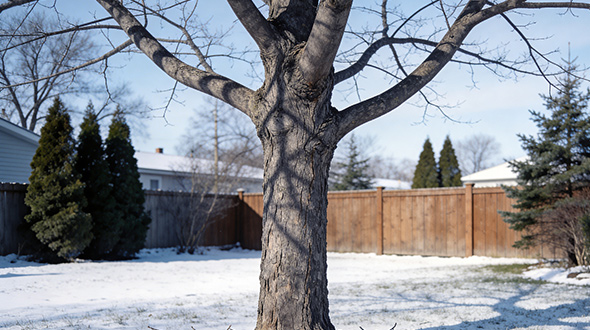
Most trees and shrubs respond best to structural pruning in late winter to early spring, before new growth begins. During dormancy, the plant isn’t actively growing, wounds can close as growth resumes, and the bare branches make it easier to see the tree’s structure and identify problematic branches.
There are important exceptions:
- Spring-flowering shrubs and trees (like forsythia, lilac, or magnolia) should be pruned right after flowering to avoid cutting off next year’s buds, which form in summer.
- Light trimming of hedges and non-flowering evergreens is usually safer during the growing season, with heavier reshaping reserved for cooler weather.
- Late-fall pruning is often discouraged in cold climates because it can stimulate tender new growth that won’t harden off before freezes, increasing the risk of winter damage.
- Emergency pruning to remove dangerous, broken limbs should be done immediately, regardless of season, to protect people and property.
For more details, read the blog post many property owners ask about: “When Should I Prune Trees?”
Season-by-Season Tree and Shrub Care Overview
Here’s a quick seasonal roadmap for a typical temperate-climate property:
Winter
- Focus on structural pruning of deciduous trees while branches are leafless and the framework is visible
- Remove dead wood and plan major corrective work
- Ideal time for pruning most trees since they’re dormant and the risk of pest or disease entry is lower
Spring
- Prune early-flowering ornamentals immediately after blooms fade
- Begin light trimming of hedges and shrubs as new growth emerges
- Assess winter storm damage and address any remaining damaged branches
Summer
- Selective pruning of storm-damaged or crossing branches
- Moderate trimming to maintain hedge and shrub shape
- Avoid heavy cuts during extreme heat, which can stress plants
Fall
- Mainly the cleanup of minor dead wood
- Limit major pruning to avoid stimulating late, tender growth before winter
- Exception: mild climates may allow more flexibility
Check with your local extension service or a certified arborist for species-specific timing. Maples, oaks, fruit trees, and flowering trees all have their own optimal windows based on sap flow, disease pressure, and growth rate in your region.
Common Mistakes in Trimming and Pruning
Many well-intentioned DIY efforts fail because of a few predictable errors. Knowing what to avoid can save your trees from long-term damage—or worse, removal.
Topping trees – Cutting large limbs back to stubs to reduce height is called topping, and it’s one of the most damaging things you can do. Topping causes weak, rapid regrowth (called water sprouts) and opens large wounds that are prone to decay. It can potentially cut a tree’s lifespan in half.
Over-thinning hedges and shrubs – Removing too much foliage exposes bare stems and reduces the plant’s ability to photosynthesize. Over-pruning leads to decline, sparse growth, and an unhealthy appearance—the opposite of what you wanted.
Flush cuts – Cutting too close to the trunk removes the branch collar, the tree’s natural defense zone. This slows wound closure and increases the rate of disease entry. Always leave the collar intact.
Wrong timing – Heavy pruning in late fall can trigger tender new growth that freezes. Cutting spring-blooming shrubs just before they flower removes all the buds. Match your cuts to the plant’s natural cycle.
Safety mistakes – Using ladders with chainsaws, working near energized power lines, or tackling large, heavy branches without proper rigging are recipes for serious injury. If you can’t reach it safely from the ground, it’s a job for professionals.
How to Avoid Damaging Your Trees and Shrubs
A small amount of planning prevents most long-term damage. Here’s how to approach trimming and pruning the right way:
- Make a plan before cutting: Walk around the plant and identify which branches need removal and why—dead, diseased, crossing, overgrown, or cosmetic.
- Follow the one-third rule: For many shrubs, avoid removing more than about one-third of the plant’s live growth in a single session unless a professional recommends otherwise.
- Use sharp, clean tools: Dull blades tear rather than cut, creating larger wounds. Disinfect blades between plants, especially after cutting diseased branches, to prevent the spread of disease.
- Learn proper pruning cuts: Use the three-cut method for larger limbs to prevent bark tearing. Make angled cuts above outward-facing buds on small stems. Never break or rip branches.
- Know your limits: When in doubt—especially with large trees over structures—it’s safer and cheaper long-term to consult a certified arborist than to risk more harm from improper cuts.
DIY vs Professional Trimming and Pruning
Some light trimming and minor pruning are reasonable for many property owners. You don’t need to call a professional every time a boxwood gets shaggy or a dead twig appears on your hydrangea. However, advanced work—especially on mature trees—requires trained professionals with the right equipment and knowledge.
Tasks suitable for DIY:
- Shaping low hedges you can reach from the ground
- Removing small dead twigs from shrubs
- Lightly shortening small branches on young ornamental trees
- Deadheading flowering shrubs after blooms fade
Tasks for professionals:
- Any work involving large limbs or old, stressed trees
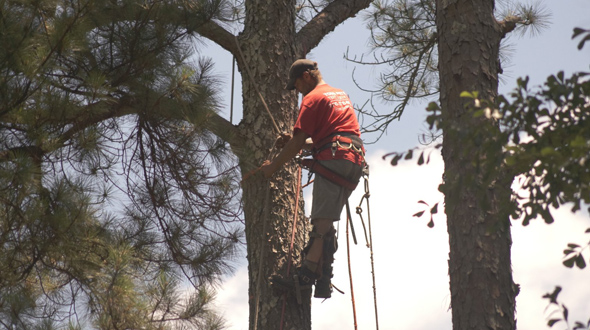
- Pruning at heights requiring ladders or climbing
- Trees near buildings, driveways, play sets, or power lines
- Removing diseased branches where disease identification matters
- Structural pruning to correct growth problems in young trees
Professionals bring not only climbing gear, pole pruners, and chainsaws but also knowledge of tree biology, local pests and disease pressures, and structural assessment. They can spot problems you might miss—like internal decay, weak branch attachments, or root issues that affect overall tree health.
Incorrect DIY pruning can lower property value, create future hazards, or require expensive corrective work later. Many reputable pruning services offer annual or biennial inspections to catch problems early, before costly removals or emergency calls are needed.
What to Expect from a Professional Tree Service
Here’s what to look for and expect when hiring a tree care company:
Initial evaluation: A good provider starts with an on-site assessment, identifying which trees and shrubs need trimming vs pruning, and explaining why. They should walk your property with you and point out concerns.
Clear communication: Professionals should explain recommended cuts in plain language, including any safety concerns like overhanging limbs, decay pockets, or structural issues. If they can’t explain why a cut is needed, ask questions.
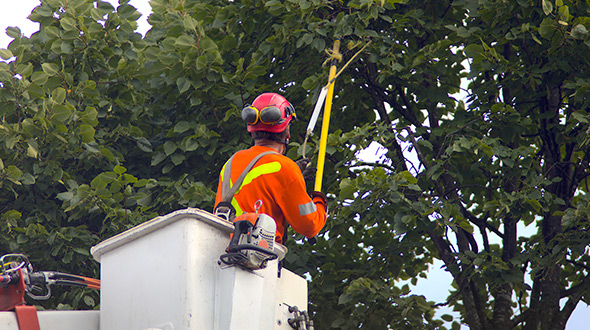
Proper equipment: Expect protective gear, ropes, rigging, and, where necessary, bucket trucks to safely manage high or heavy branches. Professionals don’t take shortcuts on safety.
Credentials to verify:
- Proof of liability insurance and workers’ compensation
- ISA Certified Arborist credentials
- Clear cleanup procedures (will they haul debris or leave it?)
- Written estimates and contracts
Ongoing maintenance: Consider scheduling recurring maintenance plans for trimming and pruning. Consistent care keeps trees healthy, reduces storm damage risk, and maintains your property’s curb appeal year after year.
Trimming and Pruning
Understanding the difference between trimming vs pruning helps you make smarter decisions for your lawn and landscape. Trimming keeps things tidy. Pruning keeps things alive and safe. Both have their place in maintaining healthy trees that add value to your property for decades.
Whether you pick up the pruning shears yourself or call a certified arborist, knowing what your trees actually need is the first step. Walk your property this season, look for the signs we’ve discussed, and take action before small problems become big ones.
(678) 505-0266